


How to Create & Use Gemini Wallet is a topic many new crypto users search again and again. Crypto look scary at first time because many new words come together like wallet, keys, blockchain, and apps. Gemini Wallet try to make all this easy for normal people. This wallet is made inside Gemini app and work like a smart wallet. It helps users keep crypto, send crypto, and also use Web3 apps. Everything work with simple steps and phone security like FaceID or TouchID.
This helps everyone understand without fear. Many beginners think wallet creation is hard, but Gemini make it simple. Only few taps are needed. This guide explain step by step how Gemini Wallet is created and how it is used after that. Each part is explained slowly so brain not get tired. Crypto learning take time and patience. This article help reduce confusion and build confidence slowly.
Key Points:
Gemini Wallet is a self custody smart wallet.
Wallet is created inside Gemini app easily.
Phone security protect wallet access.
What Is Gemini Wallet And Why It Is Useful
Gemini Wallet is a self custody smart wallet that allow users to control crypto directly. Self custody mean private keys stay with user, not with company. This give more freedom and control. Gemini Wallet support networks like Ethereum, Polygon, and Arbitrum. This mean many tokens and apps can be used.
Wallet is powered by passkeys which remove need of long passwords. Phone security like FaceID or TouchID is used instead. This make login fast and safe. Gemini Wallet also allow swapping tokens and connecting to dApps. Beginners like this because everything is in one app. No extra extension or app is needed. But self custody also mean responsibility. Losing phone access or passkey can cause trouble.
That is why learning slowly is important. Gemini Wallet is useful for people who want more control than exchange wallet. It help learn Web3 world step by step. Simple design and clear buttons make it friendly. Even if mistake happen, learning from it help grow.
How To Create Gemini Wallet Step By Step
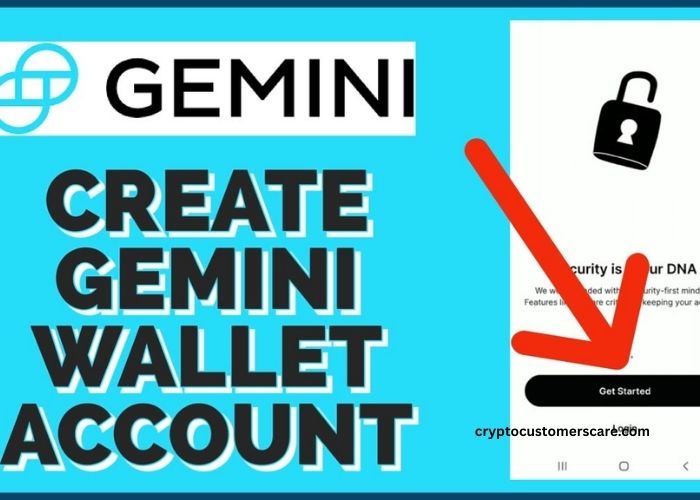
Creating Gemini Wallet is simple and quick. First Gemini app must be installed and account login done. After login, wallet option appears in app menu. When wallet is opened first time, app asks to create wallet. Few taps confirm creation. Phone security like FaceID or TouchID is used. No long seed phrase is shown like other wallets, which make beginners feel happy. Passkey system handle keys safely.
After creation, wallet is ready to use. Address is generated automatically. This address is used to receive crypto. Gemini show clear message during setup to guide user. Rushing is not good here. Reading small messages help avoid mistakes. Setup process take only few minutes.
How To Add Crypto To Gemini Wallet
Adding crypto to Gemini Wallet can be done in two ways. Crypto can be transferred from Gemini exchange account or sent from another wallet. Wallet address is shown clearly with QR code. Copying address and pasting it in sender wallet is easy. Network selection is important here. Wrong network can lose crypto. Gemini usually suggest correct network, but checking again is good habit.
After sending, crypto appear after some time depending on network speed. Beginners should start with small amount to test. This reduce stress. Gemini Wallet show transaction status clearly. Waiting is part of crypto world, so patience is needed.
How To Use Gemini Wallet For Swaps And dApps
Gemini Wallet is not only for holding crypto. It also allow swapping tokens and connecting to dApps. Swap option is inside wallet screen. User select token to swap and target token. App show estimated fee and result. Confirm button complete swap. This process is easy but gas fee must be paid. Gas fee depends on network load. Gemini Wallet also connect to dApps using built in browser.
This allow NFT buying, DeFi use, and more. Beginners should explore slowly. Clicking random links is risky. Trusted dApps are safer. Wallet asks permission before connecting. Reading permission screen help avoid scams. Using Gemini Wallet for Web3 learning is good step. Experience grow with time.
Gemini Wallet Vs Exchange Wallet Comparison
Gemini Wallet and Gemini exchange wallet are different. One give self control, other give ease. Below table explain difference.
| Feature | Gemini Wallet | Exchange Wallet |
| Key Control | User control | Gemini control |
| Web3 Access | Yes | No |
| Beginner Ease | Medium | Very easy |
Choosing wallet depend on comfort level. Beginners can start with exchange wallet and move later.
Common Mistakes And Safety Tips
Beginners often make small mistakes like forgetting network, rushing swaps, or trusting unknown dApps. Learning slowly is the best way. Reading warning messages help a lot. Gemini Wallet give alerts for risky action. Ignoring them is not good. Keeping phone safe is also important.
Lock screen and biometric must be active. Backup phone access properly. Never share passkey or device access. Crypto safety is habit not trick. Mistakes teach lesson but cost money. Care reduce cost.
Conclusion
How to Create & Use Gemini Wallet is easy when steps are followed slowly. Gemini Wallet give control and freedom with simple design. Creation, adding crypto, and using features are beginner friendly.
Learning step by step build confidence. Safety and patience make journey smooth.
FAQ’s
- Is Gemini Wallet free to create?
Yes, wallet creation is free and simple. - Does Gemini Wallet supports many networks?
Yes, it supports Polygon, Ethereum. - Can crypto be lost in Gemini Wallet?
Loss happen if wrong steps are taken. - Is Gemini Wallet good for beginners?
Yes. it is good for beginners. but learning slowly is important. - Does Gemini Wallet need password?
No. long password, phone security is used.